How to Charge Tenants for Damages In Brighton & Hove
Steve Simmonds posted on 19th June 2023
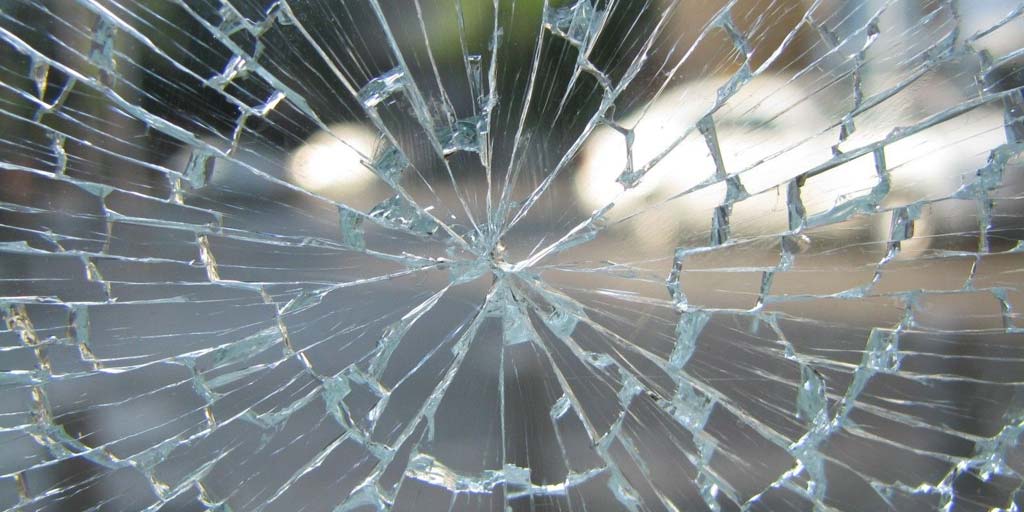
When your tenant moves out of your Brighton and Hove property, there will likely be some repair and maintenance jobs to attend to and a bit of a clean-up. But what if things are more serious, and your outgoing tenants have left you with broken windows, cigarette burns on the carpets or a filthy kitchen?
While the tenancy deposit covers your costs if damage occurs, things aren’t always that simple. You may need to prove that the tenant caused the damage, and an independent adjudicator will judge the case.
Remember that you must put some damage down to normal wear and tear. Things like scuffs on the paintwork or worn carpets invariably come with renting out property.
You must also be fair and only request reasonable charges for tenant damage. If an item is unfit for use due to damage, replace it on a like-for-like basis – you can’t ask your tenant to foot the bill for an upgrade.
Landlords across from Portslade to Lewes, throughout Hanover and Elm Grove, can face the same challenges surrounding how to charge tenants for damages. To help you deal with this tricky area, we’ve shared some of the FAQs that arise. How can you charge a tenant for damages in Brighton and Hove? Read on to answer this question and more.
How much can I charge my tenant for damage to my property and furnishings?
You can charge for damage to the property and items within it. However, these charges must be fair and reasonable. If the furniture is damaged, you can only charge for a like-for-like replacement based on the original item’s value and condition. So, if your tenant spills red wine on a worn carpet, you can’t expect them to pay for carpeting the whole house. But if it’s a brand-new carpet, and the stain can’t be removed, you may be able to charge them the cost of a replacement in that room.
Can I claim the costs from the tenancy deposit?
The money your tenant pays as a deposit, held in a government-backed scheme, is their money. You don’t have an automatic right to use it to reimburse you. You must also be reasonable when deciding how much to charge the tenant for damages.
Your tenant must agree to the deduction to claim from the tenancy deposit. If they don’t think your charges for damages are fair, it is up to the scheme’s independent adjudicator to decide. The adjudicator’s word is final, and you can’t claim through the courts if you disagree with their decision.
What if the charge for damages is more than the money held in the deposit?
If the tenancy deposit doesn’t cover the damage, you can make an application to the small claims court – you can start the process yourself on the gov.uk website. You may need to get legal advice about this.
How can I prove my tenant is negligent?
Take a full inventory with photos at the start of the tenancy, so you can compare the evidence if damage occurs. Keep in mind that damage isn’t always the tenants’ responsibility.
The costs of accidental damage at a rental property can fall to the landlord (or a good insurance policy if you’ve taken out coverage). For instance, you can’t charge tenants for a hardwood floor damaged by tradespeople dropping materials. Likewise, if the damage originates in a neighbouring property, the cost of repairs falls to you. Charging tenants for damages isn’t appropriate if the damage results from a burglar or vandal.
How Long Does A Landlord Have To Claim For Damages?
Landlords have ten days from the tenants’ deposit return request to propose a reduction for damages. They can request that their deposit be returned once the tenancy agreement ends.
How Can I Avoid Damage To My Property?
You can avoid damage by setting out the terms in the tenancy agreement and decorating your rental property with practicality in mind.
Use neutral colours for paintwork, curtains and floor coverings. Avoid the palest shades – and get a good doormat and blinds to reduce the impact of muddy boots and sunlight. Opt for durable appliances and furnishings, and consider adding mattress protectors if you provide beds.
At the beginning of the tenancy, take an extensive inventory with photos and video footage. A third-party inventory service can bolster any future claims since they’re impartial from the landlord and tenant. Be clear about your expectations in the tenancy agreement. State that tenants are responsible for taking care of the property, paying for the damage and organising repairs if they’re liable. You should also advise your tenants to contact you when damage occurs so you can put things right before it worsens. If you deal with any mishaps, hold onto all correspondence, including their report and evidence of action you’ve taken.
But you can take preventative action too. Inspect the property quarterly – you must give your tenants written notice before you visit and get their permission.
What Is The Difference Between Wear And Tear And Damage?
You can’t make tenants pay for the natural wear and tear of furniture and fittings over time – but deliberate actions or negligence are a different matter. Paintwork doesn’t stay fresh forever, and appliances break down eventually. Can you charge tenants for replacing or upgrading something aged through expected deterioration? No, it’s not appropriate.
But you may be able to charge if your tenants have acted carelessly, didn’t report a fault in good time, or deliberately caused damage. Our tenant damage charge list and wear and tear examples cover common situations you may encounter at your rental property.
Wear and tear can include:
Extreme weather damage
Faded paintwork
Light scuffs on the walls or cabinets
Minor scratches on worktops or wooden furniture
Furniture imprints and typical wear on carpets
Sun-faded curtains or upholstery
Reasonable wear on soft furnishings
Appliances reaching the end of their life cycle
Mould on ageing bathroom sealant
Damage can include:
Cigarette burns
Food or drink stains on carpets or furnishings
Damage caused by tenants’ pets
Water damage from unreported leaks
Drains or toilets blocked by inappropriate disposal
Broken windows, unless by extreme weather
Broken furniture
Appliances damaged through incorrect use
Holes in walls
What If My Tenant Causes Damage To Neighbouring Properties?
You can ask for reasonable charges for tenant damage that affects neighbouring properties. If they flood the rental property and damage extends to the flat below, they’re responsible – and should cover the costs.
If you’re a landlord in Brighton and Hove, we can help you manage the day-to-day issues of renting out property. Contact us to discuss our services for landlords.
How Can We Help?
Do you have any questions about the topic above? Our team of experts is here to help in answering any query you may have.
Fueled by his desire to be the best, most reputable estate and lettings agent in town, Steve has spent his career cultivating The Property Shop. Steve prides himself on his authenticity, honesty, and knowledge-base which is emulated by The Property Shop and his team.