What to do when you become an accidental landlord in Brighton and Hove
Steve Simmonds posted on 17th July 2023
With its world-famous beach, relaxed vibe and quirky feel, Brighton will always be a popular place to live and a good investment for would-be landlords. Many landlords set out to build a property portfolio, add another income source or look towards retirement, but others become accidental landlords.
What Exactly Is An Accidental Landlord?
Accidental landlords may end up renting out property after inheriting a house, being unable to sell, or making a lifestyle change. Often they’re relocating and don’t want to give up their Brighton property.
If it happens to you, there’s a steep learning curve as you get up to speed with all things legal and lawful. But once you understand the rules, roles and regulations that come with being a landlord, you’ll never look back.
Read on for 17 essential pieces of accidental landlord advice you need to know.
1. It’s A Job Not A Hobby And Not To Be Taken Lightly
Being a landlord calls for professionalism. Cover your legal responsibilities by bringing your property up to safety standards. Make it comfortable too – the Brighton rental market can be competitive. Be prepared to spend time and money in the process.
2. You Need To Tell Your Mortgage Lender
If you’re an accidental landlord with a mortgage, start by informing your lender. If you plan to rent out your property short term (12 months or less), your lender might issue a Consent to Let on your residential mortgage. Otherwise, arrange to put your house in a buy-to-let mortgage. Be aware that new arrangement fees and terms will apply when you’re offered a buy-to-let mortgage. For instance, preventing the landlord from moving into the buy-to-let property.
3. And Your Leaseholder
You can rent out a leasehold property, but strictly speaking, it’s subletting – check the terms of your lease and ask the freeholder for permission.
4. It’s Time To Rethink Your Insurance
Residential buildings and contents insurance policies don’t typically cover rentals, so call your insurance provider to discuss landlord insurance products. You can also choose landlord liability insurance and protect your rental income with landlord insurance covering missed rent.
5. You Need To Get Up To Speed With Health And Safety
Gas Safety
The property’s gas supply and all gas appliances must be kept in safe working order and checked annually by a Gas Safe-registered engineer. They will provide a gas safety certificate after each gas safety check. Your tenant must receive a copy before moving in or within 28 days of the inspection.
Fire Safety
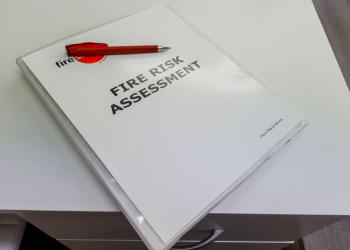
It’s a legal requirement to meet fire safety regulations – keep escape routes clear, supply fire extinguishers in HMOs, and fit alarms. Ensure that there are functioning smoke alarms on each storey of the property. Fit a carbon monoxide detector in any room containing a solid fuel burning appliance (e.g. wood burning stove, gas or coal fire).
Electrical Safety
Arrange an Electrical Installation Condition Report (EICR) to check the electrical wiring and PAT test any portable appliances you supply.
Repairs And Maintenance
The landlord is responsible for ensuring the property is fit for habitation throughout the tenancy. Electrical wiring, plumbing, heating and hot water must be safe and in working order, and the property should be free of damp, mould and pests. All repairs and maintenance must be carried out promptly and satisfactorily. If a tenant believes you haven’t fulfilled your legal responsibilities, they can take you to court.
6. You’ll Need a Letting Agent
Almost all landlords use an estate or letting agent, as you can’t advertise on the property portals without one. With an online agent, you must learn fast and work hard (or pay for add-on services). High street agents can help find tenants and handle legalities like the right to rent check.
7. The Property Must Meet Energy Efficiency Standards
You need an energy performance certificate (EPC) to demonstrate how energy efficient your property is and give tenants an idea of heating and lighting costs.
Appoint an accredited assessor to produce your EPC and rate your home from A to G. A is the most energy-efficient, and landlords need a minimum EPC rating of E to rent out their properties legally. If your property is rated below E, consider improvements such as loft insulation, double glazing or a new boiler. The EPC is valid for 10 years – check if your home already has an EPC through gov.uk ‘find an energy certificate’
8. Get Your House Rental Ready
Ensure that repairs are carried out before letting out your property to avoid issues with tenants further down the line. It’s also a good idea to carry out maintenance and cosmetic improvements to ensure it gets the maximum rental price.
Decide whether you are offering your property furnished or unfurnished. Remove any sentimental items or fittings you don’t want to risk damaging and clarify to the prospective tenant what will be left behind or removed before they move in.
9. Some Rental Properties Need A Licence
Your local council may operate a selective licensing scheme for landlords – you’ll likely need one for a house in multiple occupations (HMO). Fail to get a licence before advertising, and you could be fined as much as £30,000.
HMOs are commonly defined as any house or flat with at least three tenants from a minimum of two households. In Brighton & Hove, you may also need a licence if your property has two or more storeys and three or more tenants are living there as more than one household. Find out more on the council website.
10. Finding Good Tenants
Attract good tenants with rent that’s not too high (or too low – you want to generate income). Arrange photography and market your rental well, and once you’ve found tenants, get references. Your high street agent can offer all this.
11. Right To Rent Checks Are Your Responsibility
When you let out your house in England or Wales, landlords have legal obligations to confirm tenants’ right to rent. Check your tenant’s immigration status with their passport or documents, or you face a fine or prison.
12. Sort Out a Tenancy Agreement and Inventory
Start well with a clear tenancy agreement, setting out the landlord’s and tenant’s responsibilities. Take a detailed inventory with notes and photos of the property’s condition and any furnishings and fittings you supply – just in case of damage.
13. You Can’t Just Bank A Tenancy Deposit
Landlords can’t pop a tenant’s security deposit in the bank – you’re legally obliged to place it in a government-approved scheme. Government-backed tenancy deposit schemes keep the deposit safe, and the deposit protection service provides independent arbitration if disputes arise.
14. You Can’t Just Visit Your Property Whenever You Feel Like
Respect your tenants’ right to ‘quiet enjoyment’ by giving 24 hours’ notice before gaining access for property inspections and maintenance. They can reasonably request alternative dates or times.
15. Have a Contingency Fund
Allocate a contingency fund to cover repairs and maintenance, void periods and late rent payments. They’re easier to weather if you’re prepared.
16. Accidental Landlords Pay Tax On Their Income Too
There are tax implications for landlords – you must pay income tax on profit from rental income. But you can deduct ‘allowable expenses’ including repairs and maintenance, utility bills and buildings and contents insurance. You may also be eligible to claim tax relief when replacing household items like beds and white goods.
Since 2020, you can’t deduct mortgage interest payments from rental income before paying tax. Instead, you can claim 20% tax relief on the interest.
You must declare any rental income received on an end-of-year tax return. If you are currently employed and taxed via PAYE, you must file for self-assessment by 5th October in the tax year following the year in which you received rental income.
When you become an accidental landlord tax calculators are useful – you can find one online. But for clarity on income tax and self-assessment, obtain advice from an experienced accountant or contact HMRC.
17. Stamp Duty And Capital Gains Tax
As an accidental landlord, capital gains tax and stamp duty surcharges may affect you. If you rent out your current home and buy a second property to live in, you will pay an extra 3% stamp duty surcharge. But you don’t have to pay stamp duty on homes you inherited or already own. You need need to pay capital gains if you sell your second home or buy-to-let property at a profit.
There’s a lot to take in if you’re an accidental landlord, but we’re here to help. Contact us today with any questions about the role or if you’d like our help marketing your property to tenants.
How Can We Help?
Do you have any questions about the topic above? Our team of experts is here to help in answering any query you may have.
Fueled by his desire to be the best, most reputable estate and lettings agent in town, Steve has spent his career cultivating The Property Shop. Steve prides himself on his authenticity, honesty, and knowledge-base which is emulated by The Property Shop and his team.
Enter the information required below for your download:
"*" indicates required fields
This form collects and stores the information provided by you, so that we can contact you about your requirements. Please read our privacy policy for full information on how we manage and protect your submitted data.