Whether you’re a prospective landlord or you’ve already become one (hello, accidental landlord), it’s vital to pre-empt your expenses. We’ll show you how to determine what renting out a property costs so that you can adjust your strategy.
It’s harder to make a good profit as a landlord these days, though it’s far from impossible. The local area has earned a reputation for its rental market, with This Is Money estimating the average rental yield in Brighton at 3.4% during 2022.
Understanding the numbers can make all the difference. Read on for our step-by-step costs of being a landlord:
The Deposit
Buy-to-let mortgage deposits are usually around 20-40% of the property’s value. Rightmove calculated that the average property selling price in Brighton is just over £500,000. As a rough estimate, this would set the deposit between £100,000 and £200,000.
The Mortgage
Fees and interest on buy-to-let mortgages can add up – don’t overlook them in your cost projections.
Arrangement Fees
Expect to pay an arrangement fee to cover the administrative costs. Your lender may also request a booking fee to start the mortgage application process.
Mortgage Interest
Interest rates are usually higher for buy-to-let mortgages. But the good news is that you will only pay off the mortgage interest rather than make capital repayments.
Other Buying Costs
Once your buy-to-let mortgage application is underway, you’ll have to pay lenders’ valuation fees. These cover the costs of valuing the property and weighing the price against your potential rental income. New landlords also have to pay conveyancing fees for their solicitors’ legal work on the buying process.
Stamp duty on buy-to-let properties in England is currently 3% higher than the residential rate. The rates are tiered according to the selling price, so prepare for a bigger bill on higher-value properties.
Maintenance And Repairs
Nothing lasts forever – it’s vital to factor maintenance costs into your budget.
Whether you come up against boiler repairs, a sofa to be replaced or broken appliances, ongoing maintenance and repairs quickly add to renting out a flat or house costs.
It’s difficult to predict when an item will break down. Regular servicing and checks help, of course. But sometimes, a storm can dislodge roof tiles, or a garden fence can blow over. That’s why building up a fund for maintenance and repairs is essential. Some years your landlord’s costs for maintenance will be low. In other years, the bill could reach thousands of pounds.
Paying for a landlord emergency repair scheme can be a good idea. Taking out insurance policies and extended warranties can offer added protection too.
Energy Performance Certificate (EPC)
A valid EPC for your property is a legal requirement before you can hold the first viewing. It assesses your property’s energy efficiency and costs between £60-£120 to obtain. But once you have one, the certificate is valid for 10 years.
Safety Checks
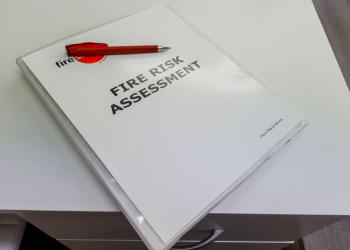
All landlords in England must pay for gas and electrical safety checks and smoke and carbon monoxide alarms.
- A Gas Safety Certificate from a Gas Safe engineer costs around £45-90 and must be carried out annually.
- An Electrical Safety Inspection/Report, required every 5 years, costs around £200.
- Working smoke alarms on every floor and carbon monoxide alarms in areas with a fuel-burning appliance, costing between £10-£75 each.
It’s best practice to arrange PAT testing checks annually for portable electrical appliances at an average cost of £45-£65. If you run an HMO, you’ll also be subject to additional requirements.
Furnishings
You don’t have to furnish your buy-to-let property, but you can charge a higher rent if you do. Furnished properties can increase your property’s appeal to young professionals or students who haven’t typically accumulated a lot of furniture. Families, on the other hand, will probably have their own furnishings.
With a furnished property, you can claim an allowance for ‘wear and tear.’ Known as ‘Replacement Relief,’ it allows landlords to claim for the cost of a replacement item in today’s market. But the replacement must be equivalent – it can’t be an upgrade.
Cleaning And Decorating
Cleaning your rental property between tenancies is a must. On average, getting professional cleaners for a two-bed flat costs around £100-200, or do it yourself to save cash. If your previous tenants left the flat in a poor state, reclaiming landlord cleaning costs from the deposit is possible.
Repainting or redecorating the property every few years can cost hundreds of pounds unless you have the time – and inclination – to do it yourself.
Licensing
Your property many require a license from the local authority. Depending on where you live, this can vary from £400 to £1200. In Brighton, landlords need a licence to operate a house in multiple occupation (HMO). Brighton and Hove City Council have set out all the fees here.
Finding Tenants
As a landlord, you must factor in the marketing cost to find tenants. Many landlords go to a high street letting agent and list on property portals such as Rightmove, Zoopla, Gumtree and local websites. Some landlords are lucky enough to find tenants via word of mouth, but this can’t always be relied on.
You must also carry out a tenant credit check – usually around £20. A tenant reference check (contacting previous landlords and employers) can cost around £50.
Tenancy Deposit
It costs landlords around £17.50 per deposit lodged in a tenancy deposit scheme. The true cost will depend on your property and turnover. If you run a large HMO with a high turnover, these landlord costs can add up.
Utility Bills
For buy-to-let rentals, the tenants pay the gas, electric and water bills themselves. However, in an HMO this is factored into the rental cost, so it’s down to the landlord to pay these bills.
Landlord Insurance
We often get asked, how much is rental property insurance? A basic insurance policy starts at £170, but additional cover offers landlords more protection. Building insurance is a must. Landlord insurance add-ons can cover periods when you can’t rent your property. Landlord legal insurance can be crucial if, for example, you need to evict a tenant who has stopped paying rent.
Void Periods
Without landlord cover, void periods can be costly. You’ll still have to pay the mortgage, and council tax payments will be your responsibility. But you can use this downtime for decoration or maintenance work. Factor in at least one month’s void period a year to avoid being caught out.
Letting Fees
Letting agent fees can cost 12-14% of the property’s annual rental fees, but their services are valuable. Many landlords work full-time and don’t have the capacity for property management – so they hire a letting agent to do it for them.
Letting agents are experts in advertising your property and finding tenants. Once potential tenants commit, your agent can take care of references, credit checks and tenancy agreements, handle inventory checks and collect the monthly rent. In other words, they can ease the pressures of life as a landlord.
Have we answered your questions about the expenses of becoming a landlord? Talk to our experienced team before you start renting out a property in Brighton and Hove.