HMO Regulations, Requirements & Legislation in Brighton & Hove
Steve Simmonds posted on 20th March 2023
To get your licence, you must pay a fee and show that you, the landlord, are ‘a fit and proper person’ to hold the licence. Your property will also need to meet specific standards. Read more about HMO Licensing Standards in Brighton and Hove.
HMO Minimum Room Size Regulations
Rooms in HMOs must be at least:
6.51 square metres for a person aged 10 or over
10.22 square metres for 2 people aged 10 or over
4.64 square metres for a child under 10 years old
Any room smaller than 4.64 square metres is not to be used as sleeping accommodation.
Maximum Occupants And Conditions Of HMO licence
Room size and the number of bathrooms, WCs and kitchen areas will limit your maximum occupancy. Check the Brighton & Hove City Council HMOs Standards for full information.
How Long Does My Licence Last?
An HMO licence lasts up to 5 years; you must renew it before it expires.
Provide your contact details to every tenant or household and display them in the property
Keep fire escapes free of obstructions
Maintain drainage and water supply
Make sure annual gas safety checks are carried out
Keep electricity or gas supplies operational
Keep all communal areas clean, well-maintained and well lit
Ensure rooms and furniture are in good condition at the beginning of every tenancy
Provide proper waste facilities and collection.
Gas Safety
Landlords have legal responsibilities to ensure the property’s gas supply and appliances are safe. To meet your duties, instruct a Gas Safe-registered engineer to fit, repair and carry out annual checks on any gas pipework, cookers, boilers, fires and water heaters. HMO regulations require landlords to issue the gas safety certificate to the local authority on request and as part of a licence application. Find out the full details on the gov.uk website and find our guide to the landlord gas safety certificate here.
HMO Fire Safety Standards
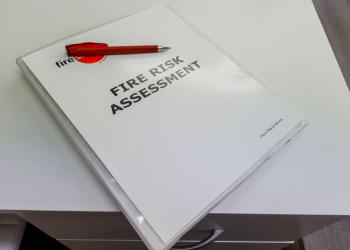
HMOs are thought to have a higher fire risk than other rentals because unrelated people from different households live there. All let properties have to comply with landlord fire safety standards, but HMO fire regulations are stricter. All landlords have to:
Install smoke alarms for every storey, plus carbon monoxide alarms in rooms with a solid fuel burning appliance e.g. wood burning stove or coal fire
Make fire escape routes easily accessible at all times
Check that all furniture and furnishings meet current fire safety standards – find out more by reading the Furniture and Furnishings (Fire) (Safety) Regulations 1988.
Landlords must keep the property fit for habitation throughout the tenancy. Otherwise, your tenant can take court action. For example, if there is a rodent infestation or damp problem.
Repairs And Maintenance
One of your HMC landlord responsibilities is arranging repairs to the HMO’s structure and exterior including:
walls
gutters and window frames
gas pipes
water pipes
radiators and water heaters
electrical wiring
toilets, baths, basins and sinks
Electrical Safety Inspections And Reports
You must ensure all electrical wiring and plug sockets are safe. Organise an inspection by a qualified electrician every five years and regular basic safety checks. Your electrician must produce an Electrical Installation Condition Report (EICR) for each new tenant. Read more in the Electrical Safety Standards in the Private Rented Sector (England) Regulations 2020.
Checks For Legionella
HMOs can attract a higher risk of legionella (bacteria which causes legionnaire’s disease). Make checks for legionella annually and between tenancies, taking action if necessary. Read the full regulations on the Health and Safety Executive website.
Protecting Tenants’ Personal Data
Under the General Data Protection Regulations, HMO landlords must handle tenants’ personal information in an appropriate and lawful manner. Read more on the gov.uk website.
The Tenant Fees Act
Under the Tenant Fees Act 2019, letting agents and landlords cannot charge fees for things like reference checks, inventories or end of tenancy cleaning. Tenancy deposits are capped at five weeks’ rent, if the annual rent is less than £50,000.
Your Tenants’ Right To Complain
Your tenants may complain to the council if they think you are not meeting your responsibilities. The council can assess your HMO for hazards and take action, which could lead to prosecution or losing your HMO licence. If it comes to it, the council can take over the property.
Thinking about renting out a property in the Brighton and Hove area? Contact us about HMO regulations, legal aspects and services we can provide.
How Can We Help?
Do you have any questions about the topic above? Our team of experts is here to help in answering any query you may have.
Fueled by his desire to be the best, most reputable estate and lettings agent in town, Steve has spent his career cultivating The Property Shop. Steve prides himself on his authenticity, honesty, and knowledge-base which is emulated by The Property Shop and his team.
Enter the information required below for your download:
"*" indicates required fields
This form collects and stores the information provided by you, so that we can contact you about your requirements. Please read our privacy policy for full information on how we manage and protect your submitted data.